
Dead Ready Productions

+44 (0)208 339 6139
hello@deadready.co.uk

The Benefits Of Video And Why It Is Essential To Any Marketing Strategy

Video has proven itself to be a highly effective marketing tool for businesses. It helps spread the message of your brand, products and services in a uniquely compelling way, delivering a host of benefits unmatched by other mediums.

By incorporating video into their marketing strategies, marketers enjoy a range of advantages to help their business connect in a more engaging and impactful way with their target audience.

In this article, we explore the benefits of video and why it should be an integral part of any successful marketing plan.

Increased Engagement

The dynamic nature of video means it has the power to keep people interested and engaged for longer.

According to Optinmonster, 72% of customers say they would rather learn about a product or service by way of video, whilst 83% of video marketers claim that video has helped increase the average time visitors spend on their website pages (Wyzwol).

This increased engagement can translate into higher levels of brand awareness, increased website traffic and stronger relationships with your target audience, making it a powerful tool for communicating your message and ultimately leading to more people buying from your brand.

Greater Emotional Impact

Research by Insivia, found that viewers retain 95% of a message when they watch it in a video, compared to 10% when reading it in the text.

With the help of social-sharing platforms, video content that is emotional, educational, and relatable is the most likely to go viral within hours, potentially acquiring millions of views for your business.

So, whether you’re trying to evoke laughter, sadness, joy or any other emotion, creating an emotional connection with your audience can be a powerful motivator for them to take action.

This powerful and thought provoking video, Real Beauty Sketches, which is one of the most famous Dove films is a great example of the power of emotion to hook an audience.

The video explores the gap between how others perceive us and how we perceive ourselves as each woman is the subject of two portraits drawn by FBI-trained forensic artist Gil Zamora: one based on her own description and the other using a stranger’s observations.

Another example is the below video by Getup! – an independent movement of more than one million people who are working to build a progressive Australia and help put people back into politics.

This video highlights the support of marriage equality and although now over 11 years old, it’s message is as impactful and thought provoking as it was when first released.

Better Reach

Video content is shared 1200% more times than links and written content combined, with people two times more likely to share videos with their friends than any other type of content. So, when it comes to potential reach, video is unbeaten.

As a result, video can help you connect with the right people and reach your target audience on a scale that would be difficult to achieve with other marketing methods.

Add into the mix the popularity of social media platforms and when people share video content, it exposes your business to an audience outside of your original target market.

According to The Marketing Helpline, posts on social media that contain video get 48% more views. As a result, word-of-mouth marketing can have a significant impact on conversions as people are more likely to watch a video shared by those they know.

This is why video has the highest organic reach of all types of content.

Improved Search Engine Optimisation (SEO)

Video is a powerful tool for improving your search engine optimisation efforts, with search engines such as Google, favouring websites that incorporate video into their content.

One of the biggest ways that video content can improve your SEO has to do with Google’s internal algorithm for generating search engine results pages.

Google values two things above all others – the quality of your content and its relevance to someone’s original search terms. So, if your website features a mixture of text and quality visuals, like video, it means your pages are as varied as they are informative.

You can also leverage the power of video SEO through YouTube, which is the second-largest search engine after Google with more than 1.3 billion users and over 15 billion videos watched every day. (monsterinsights)

By featuring your video content on platforms such as these, it will help improve your search engine rankings and drive more organic traffic to your site, thus leading to increased brand exposure and a higher return on investment for your marketing efforts.

Increased Conversion Rates

Video has been proven to boost conversion rates. This is backed up by research carried out by WordStream, which found that including a video on your landing page can boost your conversion rate by up to 80%. In fact, 84% of people say they’ve been convinced to buy a product or service by watching a brand’s video. (Optinmonster)

These stats show that by showcasing your products or services in a visual and engaging way such as video, you can persuade more people to act and make a purchase.

This video which we produced for Wrapmaster to highlight their new 98% recycled foil product, had some great results for them, specifically within trade media, causing a spike in page views on the Wrapmaster website.

Some fantastic results were also achieved on social media, with high impressions, engagements, and media views.

Cost-Effective

Video is one of the most cost-effective marketing tools available. With varied production approaches that can be tailored as needed to match specific marketing budgets, cost is no barrier to harnessing the benefits that video can offer.

Compared to traditional advertising methods such as print or television adverts, video provides a higher return on investment. According to research by WordStream, marketers who use video grow revenue 49% faster than non-video users, making it a smart choice for businesses of all sizes.

Once produced, video can be easily shared and distributed across multiple platforms, ultimately maximising investment and providing long-term benefits to your business.

In Conclusion

Not only is consumer appetite for video content continually growing, but there is now a wide body of research demonstrating the significant impact such content can have for a business. We’ve outlined some of these research findings in this article, but this is really just scratching the surface.

By showcasing your products or services in an engaging way, video can persuade more people to act upon your call to action, driving awareness and sales, and increasing revenue for your business. What more could you want?

If you would like to discuss how Dead Ready Productions could help you to further enjoy the benefits of video for your business, please get in touch via the button below or by calling +44 (0)208 339 6139.
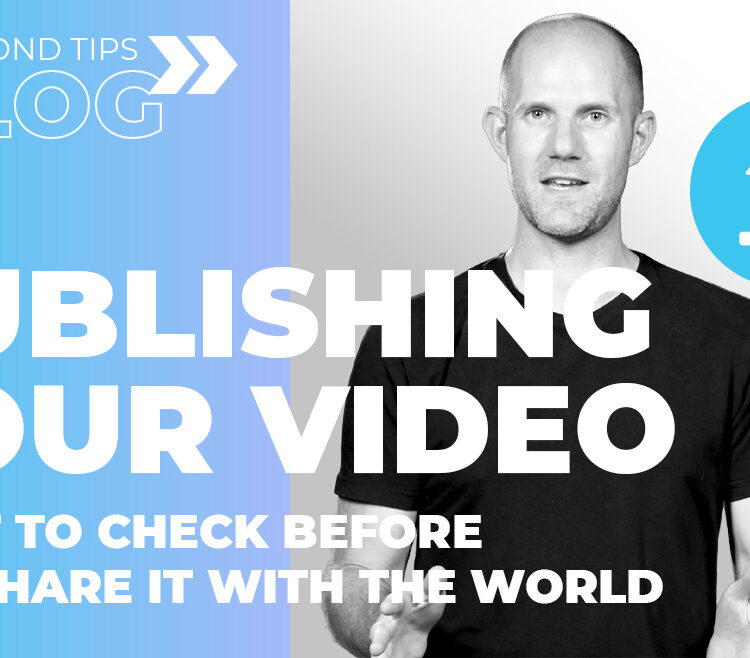
Publishing Your Video – What To Check Before You Share It With The World

Once all stakeholders have had their say and the content of a video has been signed off, you don’t want to waste any time before publishing your video to the world.

However, it’s worth making sure you do a few things first, before you go ahead.

Mike Plenty, Managing Director at Dead Ready Productions, explains the steps you should take in our latest 60 second production tips vlog. The content of which can be found below.

1. Tell your production company

Your video production team will be best positioned to advise that the video is ready to distribute.

There may be elements of the video content that are still in a draft format, or require licensing, which they will need to address.

2. Check titles and web addresses

People often go by different job titles depending on the context, so make sure everyone who appears is happy with how their name appears in the video.

Also, check that all URLS and social media handles are correct.

3. Use the highest quality version

Don’t make the mistake of posting a low-resolution version of the video file online.

Always use the highest quality you can – video platforms can scale videos down if needed to meet different bandwidths, but they can’t scale up.

4. Download and keep an offline copy

Make sure you have a copy of the video file that you can keep on a local drive or server.

This gives you peace of mind and means you’re not reliant on always having an internet connection to watch the video.

For more top tips, helpful information and useful guides on video production, keep an eye out for our next vlog – coming soon!

In the meantime, if you have a filming brief, or you would like to find out more about the animation, photography and graphic design services Dead Ready Productions can offer your business, simply get in touch via the button below or by calling +44 (0)208 339 6139.
Lights. Camera. Jargon! A Guide To Understanding The Top 20 Video Production Terms

Video production is a powerful and rewarding process, but it often involves technical language and terminology that can be daunting to those who are new to using video in their marketing plans.

Whether you’re a beginner, a seasoned pro or you’re about to work with a video production crew for the first time on a client project, having a basic understanding of the language used will help you navigate the world of video production with ease.

So, to help get you started, here’s a blog to demystify the 20 most commonly used video production terms.

Top 20 Video Production Terms


Footage or Rushes:

Raw, unedited video that has been recorded.

Frame:

A single still image in a paused moment in a video.

Frame Rate:

The number of frames recorded or played back per second. Generally, videos are between 24 and 30 frames per second

Aspect Ratio:

The proportional relationship between the width and height of a video image. This is often different between social platforms so knowing where you’re posting is important in choosing the right aspect ratio.

Resolution:

The number of pixels in a video image, typically measured in width x height. The higher the resolution, the higher the quality, but also the higher the file size, which might mean viewers online with slower bandwidths might experience buffering issues.

Keyframes:

Frames in a video that contain complete data and are used to define the starting and ending points of a change. These are particularly essential in animated videos.

Green Screen:

A technique used to replace the background of a video. Filming takes place against a solid colour (usually green but can also be blue) and everything of that colour is made transparent in post production.

Compositing:

The process of combining multiple video layers into a single image. For example, adding a text title over footage or replacing a background in a greenscreen video

Non-linear Editing:

The process of editing video using a computer-based system, as opposed to traditional linear editing methods where reels of physical film were cut with scissors and glued together

Render:

The process of creating a final video file from an edit.

Sync Sound:

The process of synchronizing audio and video tracks in a film or video production.

Audio Mixer:

A device used to adjust the balance of audio signals from multiple sources.

Boom Mic:

A long, handheld microphone used to capture audio on location.

Cut (or edit point):

A transition between two shots in a video, typically achieved by cutting the image and audio abruptly.

Fade:

A transition between two shots in a video, in which the image and/or audio gradually fade in or out.

Dissolve:

A transition between two shots in a video, in which one image slowly fades out as the other fades in.

Pan:

A shot in which the camera moves horizontally from one side to the other.

Tilt:

A shot in which the camera moves vertically, either up or down.

Zoom:

A shot in which the camera’s field of view appears to be getting closer or further away from the subject.


There are many technical terms used in the world of video production, but hopefully this short list provides a start for anyone looking to communicate with professionals in the industry.

If you would like to discuss how Dead Ready Productions could help with your video production requirements, please feel free to get in touch via the button below or by calling +44 (0)208 339 6139.
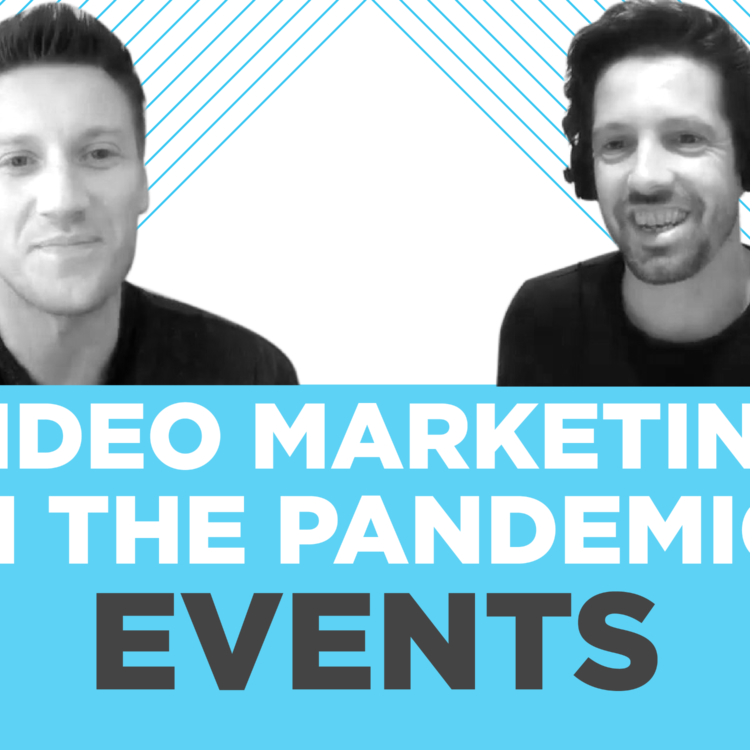
Video Production For Event Organisers During Challenging Times

Dead Ready Productions chats to events organiser Jamie Chapple about the exciting ways the events industry is responding to the Coronavirus crisis.

Jamie takes us through some ambitious and innovative suggestions about how to create immersive remote events through the power of video, creating a whole new event experience that can be delivered directly to audiences at home.

If you would like to find out more about the services Dead Ready Productions can offer your business, please feel free to get in touch via the button below or by calling +44 (0)208 339 6139.
video production london

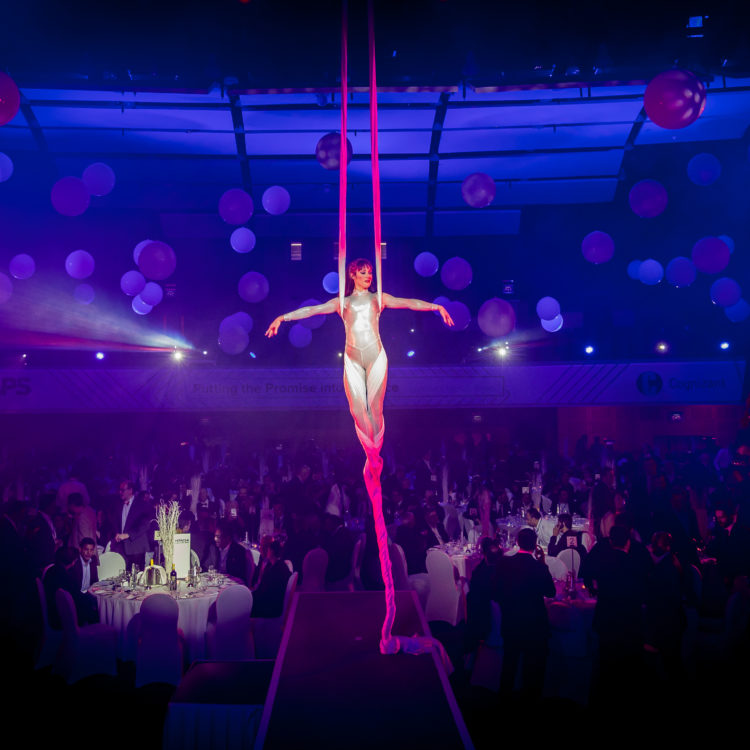
Event Filming: Planning Your Video Production For Maximum Effectiveness

When organising videography for your event, it can be difficult to work out ahead of time exactly what you want to film, and what type of video you want to create.

Often people end up choosing a supplier, let them get on with the job on the day and then, once the dust has settled and there’s more time to think about it, figure out what exactly to do with the video footage.

While this may give you the results you’re looking for, you can ensure your video delivers above and beyond by taking into account a few key considerations beforehand.

  1. Know your objective

It sounds obvious, but knowing exactly what you want to achieve by filming your event is hugely important, and yet often overlooked. Are you looking to record the event for an audience unable to attend on the day?

Provide a recap for those who were in attendance? Or are you looking to create a promotional video to boost sales and marketing for your next event? Just three examples, but all benefitting from a different filming approach.

  1. Develop a filming schedule

Try to avoid ‘winging it’ on the day and deciding what to film while the event is actually in progress. Working with your video supplier to develop a filming timetable beforehand that corresponds to your event programme will help you to make sure that you’re getting all you need, and can highlight any logistical issues – particularly when multiple cameras are involved and more than one type of video is being created.

It’s not unusual for requirements to change on the day and the crew will need to be flexible, but a schedule provides an important starting point.

  1. Consider combining videography with photography

One of the challenges of running an event is having to deal with many different suppliers. Using the same team for both video filming and for stills photography can help with this, saving you time when it comes to briefing people on what you need, and generally simplifying the process. Of course, you need to be absolutely sure that the team you’re working with has the capability to deliver on both fronts.

  1. Decide how you’ll use and distribute the video

Many don’t think about this until the video has been created, but it’s worth considering – will it go on your webpage, social media channels, how will you notify people when the video is ready? Knowing the answers to these questions beforehand can influence the filming approach taken by the crew, and will lower the risk of hold-ups and delays in post-production since the distribution strategy has already been agreed.

  1. Review previous experiences

If you’ve worked with video production teams at events before, make the most of this and think about what worked, and what you would like to do differently. Focus less on the process but more on the outcome of the video – did it achieve what you wanted it to and why/why not? Refining the process is an important part of ensuring that each video surpasses the one before.

Having provided video and photography services for a huge range of events both across the UK and internationally, we’re no strangers to working with a brief that’s less than fully developed. However, by considering the above you can help to ensure that your event video has the best chance of reaping all the rewards that video can offer.

If you would like to find out more about the video, animation, photography and graphic design services Dead Ready Productions can offer your business, please feel free to get in touch via the button below or by calling +44 (0)208 339 6139.

video production london